
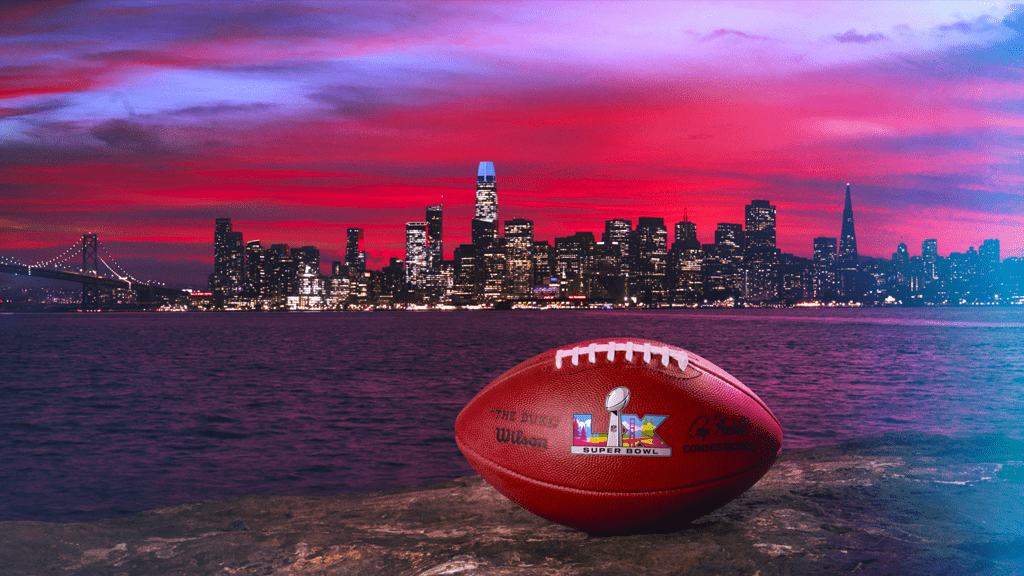



The confetti has settled on Super Bowl LX, and while the game itself was a spectacle, the commercial breaks told a story of their own. For marketers, the Super Bowl serves as much more than a chance to see expensive celebrity cameos. It acts as a massive, real-time pulse check on consumer sentiment. It shows us what resonates, what falls flat, and where the culture is heading.This year, the shift was palpable. We moved away from the abstract and the overly polished, landing squarely in territory that felt genuine and grounded. The ads of 2026 didn't just sell products; they sold a mood. Whether you are running a global enterprise or a local startup, the strategies deployed during the big game offer a roadmap for connecting with your audience this year.
Key Takeaways
- Tech needs a heartbeat: AI is present, but it must be framed as a helpful, human-centric partner rather than a futuristic novelty.
- The past is powerful: Nostalgia works best when it builds a bridge to the present, rather than just acting as a crutch.
- Perfection is out: Audiences are responding to humor, self-awareness, and brands that don't take themselves too seriously.
- Feelings drive action: Emotional storytelling remains the most effective way to build lasting connections.

1. Make Technology Feel Human
Artificial Intelligence was the star of the show, with ads from Claude, Meta, Microsoft CoPilot, and Google Gemini, but the presentation changed significantly from previous years. We didn't see cold, robotic futures or intimidating, complex interfaces. Instead, brands positioned AI as a helpful, everyday partner.
The focus shifted to accessibility, creativity, and empowerment. We saw commercials where technology quietly solved mundane problems, allowing people to focus on what matters—like spending time with family or pursuing a hobby. The message was clear: technology is here to support humanity, not replace it.
Marketing Takeaway
When marketing your own tech-enabled products or services, avoid leading with the "how." Don't overwhelm your audience with technical specs or jargon. Instead, show the "why." Demonstrate how your service improves daily life or removes friction. Translate complex ideas into relatable benefits that make the user feel empowered.
2. Use Nostalgia as a Bridge, Not a Crutch
Retroculture is nothing new in advertising, but Super Bowl LX refined the approach. Major brands like Levi’s, T-Mobile, Allstate, Budweiser, Pepsi, and Dunkin’ leaned heavily into throwbacks and familiar imagery, yet they didn't rely on fond memories alone.

Nostalgia worked best when it was paired with modern humor or fresh visuals. It wasn't just "remember the 90s?"; it was "remember the 90s, and look how that fits into your life today." This approach helped connect multiple generations, giving older viewers a sense of comfort while introducing younger viewers to classic aesthetics with a modern twist.
Marketing Takeaway
Look at your brand history or the shared history of your community. Is there a way to revisit your roots? The goal is to blend familiarity with something fresh. Use nostalgia to build trust and establish a track record, but ensure you anchor it in the present so your brand feels timeless rather than outdated.
3. Humor and Self-Awareness Win Attention
If there was one tonal shift that stood out, it was the move toward the absurd. Many ads, such as from Instacar, Bud Light, Raisin Bran, Pringles, Liquid Death, Poppi, and Manscaped, utilized A-list celebrities, but not in glamorous, high-fashion roles. They were used in playful, self-aware, and often goofy scenarios.

Brands leaned into exaggerated humor, proving that relatability often beats overly polished, serious messaging. Audiences seemed to exhale collectively, enjoying content that felt fun and unpretentious.
Marketing Takeaway
You don't have to be perfect to be memorable. In fact, polished perfection can sometimes create a barrier between you and your customer. Lighthearted, authentic messaging often outperforms high-budget production because it feels real. Don't be afraid to show some personality, especially on social media channels where users crave authenticity.
4. Lead with Emotion and Human Connection
Despite the humor, the heavy hitters still knew how to pull at the heartstrings. Themes of togetherness, belonging, and perseverance were dominant throughout the broadcast from Green Day’s opening set and Brandi Carlile’s America the Beautiful to Bad Bunny’s halftime show, which highlighted Latin culture and Puerto Rican life, reinforcing the idea that American culture is diverse, expressive, and collective.

This carried into ads from Dove, Toyota, Lay’s, and more, resonating because they focused on personal, inclusive stories. The emotional storytelling extended beyond the commercials themselves, influencing the performances and the overall tone of the event. It was a reminder that in a digital world, human connection is still the ultimate currency.
Marketing Takeaway
People might forget what your product does, but they will remember how your brand makes them feel. Focus your content on real stories, real people, and shared experiences. Emotional messaging builds stronger, longer-lasting brand connections than feature lists ever will.
The Bigger Pattern: Simplicity and Clarity
Looking at these four lessons collectively reveals a fifth, overarching theme: Simplicity. The strongest campaigns of Super Bowl LX were not overproduced or overly complex. They didn't require a degree in pop culture to understand. They met audiences where they were with clear, human messaging.
For marketers, this is a signal to strip back the noise. Simpler, more authentic campaigns are performing better because they cut through the clutter. Stay aware of cultural conversations and audience sentiment, and always prioritize clarity over cleverness.
Super Bowl Lessons for Everyday Marketing
You don't need a Super Bowl budget to apply these ideas to your business. The biggest brands in the world are leaning into humanity over hype, emotion over perfection, and humor over polish. They are using familiarity with a modern twist to make consumers feel at home.
When your marketing reflects how people actually think and feel, it resonates—no stadium required. Take a look at your current campaigns. Are they too technical? Too stiff? Try injecting a little more humanity into your next post, and watch how your audience responds.
Frequently Asked Questions
Q: Do I need a big budget to use these Super Bowl strategies?
A: Absolutely not. You don't need millions of dollars to be authentic or funny. A small business can use social media to share behind-the-scenes content (human connection), make jokes about their industry (humor), or share photos from their founding days (nostalgia). The core concepts are free; they just require creativity.
Q: Is using humor in marketing risky?
A: It can be, but "safe" marketing is often ignored. The key is to know your audience. Super Bowl ads succeed with humor because they tap into universal truths or self-deprecation. If you punch up or make fun of yourself, it is usually well-received. Always test your jokes with a small segment of your audience if you aren't sure.
Q: Why is nostalgia such a powerful marketing tool right now?
A: Nostalgia provides a sense of comfort and stability. In times of rapid change—like the current AI boom—people crave the familiar. It acts as an emotional anchor. By associating your brand with positive memories, you transfer those warm feelings to your current products.