


Radio has more competition than ever. Streaming services, podcasts, satellite radio, and a growing list of digital platforms have completely reshaped how people listen to audio. With so many options at our fingertips, you might expect traditional radio to be fading into the background.But the data tells a different story.
The latest Techsurvey 2026, conducted among nearly 31,000 core radio listeners, reveals something surprising: radio's biggest fans aren't sticking around just for the music. They value personalities, local connection, convenience, and habit. For local businesses, these insights matter more than you might think—because they show exactly what makes radio advertising different from buying yet another digital impression.
Let's dig into what these loyal listeners are telling us, and what it means for how you reach your customers.
Key Takeaways
- Radio listening remains strong. 61% of core listeners said their listening stayed about the same year over year, while 16% reported listening more.
- People connect with personalities, not just playlists. 60% cited DJs, hosts, or shows as a main reason they listen—higher than the 53% who cited favorite songs.
- Local connection is radio's edge. 86% agreed radio's local feel is a primary advantage.
- Convenience keeps listeners coming back. 66% said easy listening in the car is a main reason they tune in.
- Radio is going digital, too. 44% of listening to favorite stations now happens through digital platforms.
- The smartest strategy blends both. Combining radio's reach and connection with digital's targeting creates campaigns built for how people actually consume media.
Radio's Biggest Fans Are Listening… A Lot
Despite the constant chatter about radio "dying," Techsurvey 2026 shows loyal radio listeners remain highly engaged. In fact, 61% said their radio listening was about the same—still a lot—as the previous year. Another 16% said they were listening more, while only 10% reported listening less.
Put that into perspective. Radio isn't competing in a vacuum. Consumers have more audio choices than ever before, and yet millions of listeners continue making radio part of their daily routines.
For advertisers, that's a meaningful signal. A medium people intentionally return to week after week is a powerful place for brands to build familiarity and trust.
It's Not Just the Music, It's the People
This might be the single most important finding for advertisers: 60% of respondents said DJs, hosts, or shows are a main reason they listen. That's higher than the 53% who cited favorite songs or artists.
Why does that matter so much? Music is everywhere now. Spotify, YouTube, and countless other platforms can instantly deliver almost any song you can think of. What those platforms can't easily replicate is the relationship listeners build with a local personality.
Listeners aren't simply tuning into an audio file. They're tuning into a station, a show, and people they feel they know. That creates an environment where local businesses can become part of a trusted listening experience.
The secret sauce isn't just what radio plays. It's who listeners hear along the way.
Local Connection Is Radio's Secret Weapon
Local matters—and the numbers prove it. A striking 86% of respondents agreed or strongly agreed that radio's local feel is a primary advantage. On top of that, 55% said they feel a connection with radio that they don't feel with other types of audio.
What makes local radio different?
Local radio weaves itself into the fabric of a community through:
- Local personalities
- Community events
- Local news
- Weather updates
- Traffic reports
- Local businesses
- Shared experiences
A national digital ad can target someone based on where they live. Local radio can make them feel like they're part of the same community. That distinction is especially valuable for businesses whose customers live, work, and shop nearby.
Radio's Convenience Still Matters
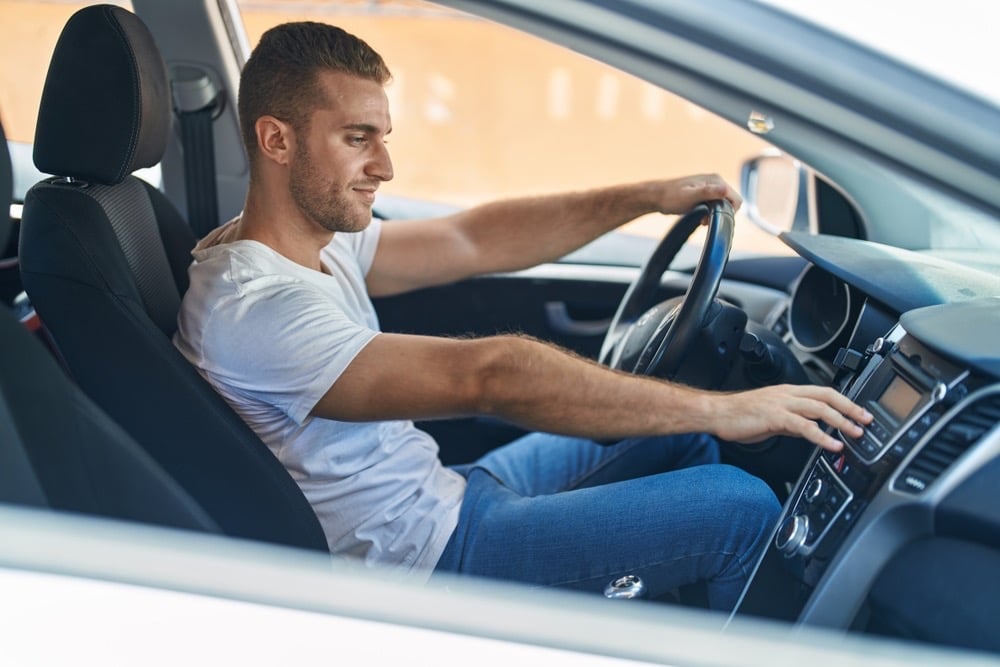
The car remains radio territory. According to Techsurvey 2026, 66% of respondents said radio's ease of listening in the car is a main reason they tune in.
Think about what that convenience really means. Radio doesn't require a search. It doesn't require building a playlist. It doesn't require deciding what to play next. You turn it on, and it's there.
When do people actually listen?
Radio fits neatly into the rhythms of everyday life. People listen while:
- Commuting
- Running errands
- Working
- Getting ready in the morning
- Driving kids around
- Working around the house
That's the advertising takeaway in a nutshell: radio reaches consumers during the moments when they're already moving through their day—often when they're close to making real-world purchasing decisions.
Radio Is Becoming Digital, Too
Don't think of "radio" as only a signal coming from a dashboard. Techsurvey 2026 found that 54% of listening to favorite stations happens through broadcast, while 44% now happens through digital platforms.
That digital listening includes:
- Station streams
- Mobile apps
- Smart speakers
- Computers
- Smart TVs
- Other connected devices
This isn't a weakness—it's an opportunity. Consumers increasingly expect content wherever they are, and radio brands are following them there. For advertisers, that means the potential audience stretches well beyond traditional AM/FM listening.
The question isn't really radio versus digital. It's how local businesses can use the strengths of both to reach consumers throughout their day.
The Future Isn't About Choosing Traditional or Digital
The listening experience is clearly evolving. Broadcast remains the majority of listening among Techsurvey's core audience, but digital is rapidly closing the gap.
This should change how advertisers think. Instead of asking, "Should I advertise on radio or digital?" the smarter question is, "How can I use radio's reach and connection while extending my campaign digitally?"
Here's what that could look like for a local business:
- Run a radio campaign to build awareness.
- Stream those same ads digitally.
- Retarget interested consumers online.
- Drive them to a website or landing page.
- Reinforce the same message across social and digital advertising.
The Audience Is Changing And Advertisers Should Too
Techsurvey 2026 also reveals a challenge worth watching. The average respondent is now 58.4 years old, up from 55.5 in 2023. Younger audiences lean more digital—among Gen Z, digital listening actually edges out broadcast, 49% to 48%.
That data shouldn't be ignored. Radio needs to keep evolving, and advertisers shouldn't assume a single channel reaches everyone equally.
But the answer isn't abandoning radio. It's building integrated campaigns that combine broadcast, streaming, digital advertising, social, video, and search.
The Best Radio Strategy Understands Where Listening Is Going
Techsurvey 2026 doesn't argue that radio should ignore digital. If anything, the data makes the opposite case. Radio's future is about evolving without losing the things listeners value most.
People still want convenience. They still want personalities. They still want local connection. And increasingly, they want to enjoy those things through digital platforms, too.
For advertisers, the opportunity isn't choosing between yesterday's radio and today's digital. It's combining the best of both to create a campaign that reaches people wherever they listen.
Zimmer Communications can help local businesses build integrated campaigns that pair the reach and local connection of radio with the targeting and measurability of digital—creating a strategy designed around how people actually consume media today. Ready to reach your audience wherever they listen? Let's talk.

Frequently Asked Questions
Q: Why do people listen to radio when streaming and podcasts exist?
A: According to Techsurvey 2026, radio's core fans keep listening for reasons that go beyond music. 60% cited DJs, hosts, or shows as a main reason, 66% pointed to easy listening in the car, and 86% valued radio's local feel. Personalities, convenience, and local connection give radio staying power that streaming platforms struggle to match.
Q: Is radio advertising effective for local businesses?
A: Yes. Radio reaches loyal, engaged listeners during everyday moments—commuting, running errands, and shopping—often when they're close to making purchasing decisions. Because listeners feel a personal connection to local stations and personalities, radio helps brands build familiarity and trust in a way that a single digital impression rarely can.
Q: Should I choose radio or digital advertising?
A: The most effective approach usually isn't one or the other. Radio builds awareness, familiarity, and local connection, while digital adds precision targeting, tracking, and retargeting. Combining both lets radio introduce your brand and digital reinforce it—reaching people across their day and making the next step easy.