



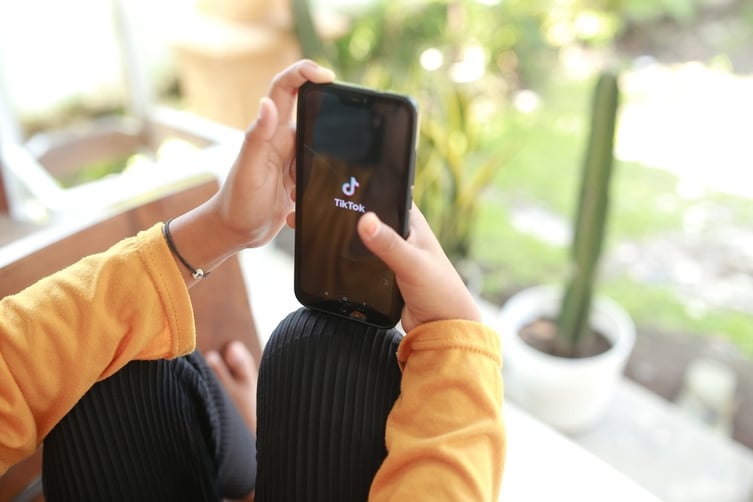
The rules didn't change with a bang. There was no single press release announcing the death of the traditional marketing funnel. Instead, the shift happened quietly, then all at once. If you’ve felt like your usual tactics are landing with a thud rather than a splash lately, you aren't imagining things.
We are witnessing a changing of the guard. Gen Z grew up online, learning the language of the internet before they learned cursive. Gen Alpha? They were born into algorithms, interacting with screens before they could walk. These cohorts don't just consume media differently than Millennials or Gen X; they fundamentally perceive brands through a different lens.
Marketing cues that worked five years ago—slick TV spots, perfectly curated Instagram feeds, and aspirational celebrity endorsements—now often feel out of touch. For these younger demographics, "polished" reads as "fake," and "selling" feels like an intrusion. To win their loyalty, we have to stop marketing at them and start building with them.
Key Takeaways
- Perfection is out: High-production value often signals inauthenticity to younger audiences.
- Community is the new currency: Brands must facilitate conversation, not just broadcast messages.
- Search has shifted: Social platforms like TikTok and Instagram are becoming the primary search engines for discovery.
- Control is an illusion: You no longer own your brand narrative; your audience co-creates it with you.

Why the Old Playbook is Collecting Dust
If you are still relying on interruption marketing, you are fighting a losing battle. Gen Z and Gen Alpha possess a highly refined "BS detector." They have developed a form of ad blindness that borders on a superpower. The "skip ad" button isn't a conscious choice anymore; it is muscle memory.
The Problem with "Perfect"
For decades, the goal of advertising was aspiration. Brands showed consumers a better, cleaner, happier version of life. Today, that approach backfires. Polished, overly produced content feels inauthentic to a generation that values raw, unfiltered reality. When a brand presents a flawless facade, it triggers distrust. They don't want to see a model holding a product; they want to see a real person using it, struggling with it, or even making fun of it.
Entertainment First, Value Second
The transactional nature of the old playbook—"I give you content, you buy my product"—is dead. These generations expect to be entertained or educated before they even consider a transaction. If your content feels like an ad, it gets scrolled past. If it feels like a skit, a tutorial, or a meme, it earns attention. The expectation is value-first, meaning brands have to contribute to the culture rather than just extracting cash from it.
How the New Generation Actually Engages
So, if they hate ads, how do you reach them? The answer lies in shifting your mindset from "broadcasting" to "participating."
The Rise of Creator-Led Content
Native content wins every time. Gen Z and Alpha prefer content that looks like it belongs on the platform. This is why User Generated Content (UGC) and creator partnerships are exploding. A recommendation from a favorite streamer or a TikTok creator holds significantly more weight than a corporate banner ad. It feels like word-of-mouth at scale.
Co-Creation Over One-Way Messaging
These cohorts view consumption as an active sport. They don't just watch; they comment, stitch, remix, and share. They want to participate in the brand story. Successful marketing campaigns now invite the audience to co-create. Whether it's a hashtag challenge or a product development poll, giving your audience a seat at the table builds a sense of ownership and loyalty that money can't buy.
Values with Receipts
Yes, younger generations are values-driven. They care about sustainability, diversity, and ethics. However, they are also investigative journalists in disguise. If you claim to care about the environment but your supply chain says otherwise, they will find out, and they will hold you accountable. Virtue signaling is a dangerous game; only communicate values you can back up with receipts.
Where Their Attention Actually Lives
Understanding how they engage is only half the battle; you also need to know where they are. The digital neighborhood has changed.
Beyond the Big Blue App
While Facebook retains older demographics, Gen Z and Alpha are fragmenting across TikTok, YouTube Shorts, Discord, and gaming platforms like Roblox. These spaces are less about status updates and more about niche communities and shared interests.
Social Search is the New SEO
Perhaps the most disruptive shift is in search behavior. For many in these generations, Google is not the starting point for discovery—TikTok or Instagram is. If they want a restaurant recommendation or a skincare review, they want to see a video of it, not read a blog post about it. This means your visual SEO strategy is just as critical as your traditional keyword strategy.
Visuals Over Copy
Attention spans aren't necessarily getting shorter; they are just getting more selective. Long-form copy is often bypassed in favor of visual storytelling. If you can't say it in a video or a meme, you might not get the chance to say it at all.
The Brand Pivot: What You Must Do Now

Adapting to this landscape requires more than just opening a TikTok account. It requires a fundamental shift in brand personality.
Stop Talking Like a "Brand"
The corporate voice is dying. Brands that win today sound human. They use humor, they acknowledge their own flaws, and they speak the language of the platform they are on. This requires a level of self-awareness that can be uncomfortable for legacy companies, but it is necessary.
Consistently Show Up
The era of the "big launch" is fading. You can't just show up for a quarterly campaign and expect to remain relevant. You need to be part of the daily conversation. This means a consistent stream of content that keeps your brand top-of-mind.
Relinquish Control
This is the hardest pill to swallow: You no longer have total control over your brand message. Your brand is what the comment section says it is. Your brand is how people remix your content. Smart marketers stop trying to control the narrative and start facilitating it.
Adapt or Fade Into the Background
Gen Z and Gen Alpha aren't just passing trends to be analyzed and then ignored. They are the future buyers, leaders, and cultural drivers. Marketing success now depends on listening more than broadcasting. The brands that are willing to evolve, to drop the polish, and to get real are the ones that will survive. Those clinging to the old rulebook risk becoming invisible.
Frequently Asked Questions
Q: Is email marketing dead for Gen Z and Gen Alpha?
A: Not necessarily, but the approach must change. While they rely heavily on social apps for discovery, email is still used for transactional updates and exclusive offers. However, the content must be mobile-optimized, visually driven, and highly personalized. Generic newsletters often go straight to the trash.
Q: How do I market to Gen Alpha when they are still children?
A: Marketing to Gen Alpha requires strict adherence to privacy laws (like COPPA) and ethical guidelines. The focus is often on safe, interactive experiences, often within gaming platforms like Roblox or Minecraft. Additionally, because parents (Millennials) are the gatekeepers, the messaging often needs to appeal to parental values while entertaining the child.
Q: Does "human" marketing mean we have to be funny?
A: Humor is a powerful tool, but it isn't the only way to be human. Being human means being relatable, transparent, and empathetic. If humor doesn't fit your brand identity, focus on behind-the-scenes content, employee stories, or honest educational content. Authenticity matters more than comedy.